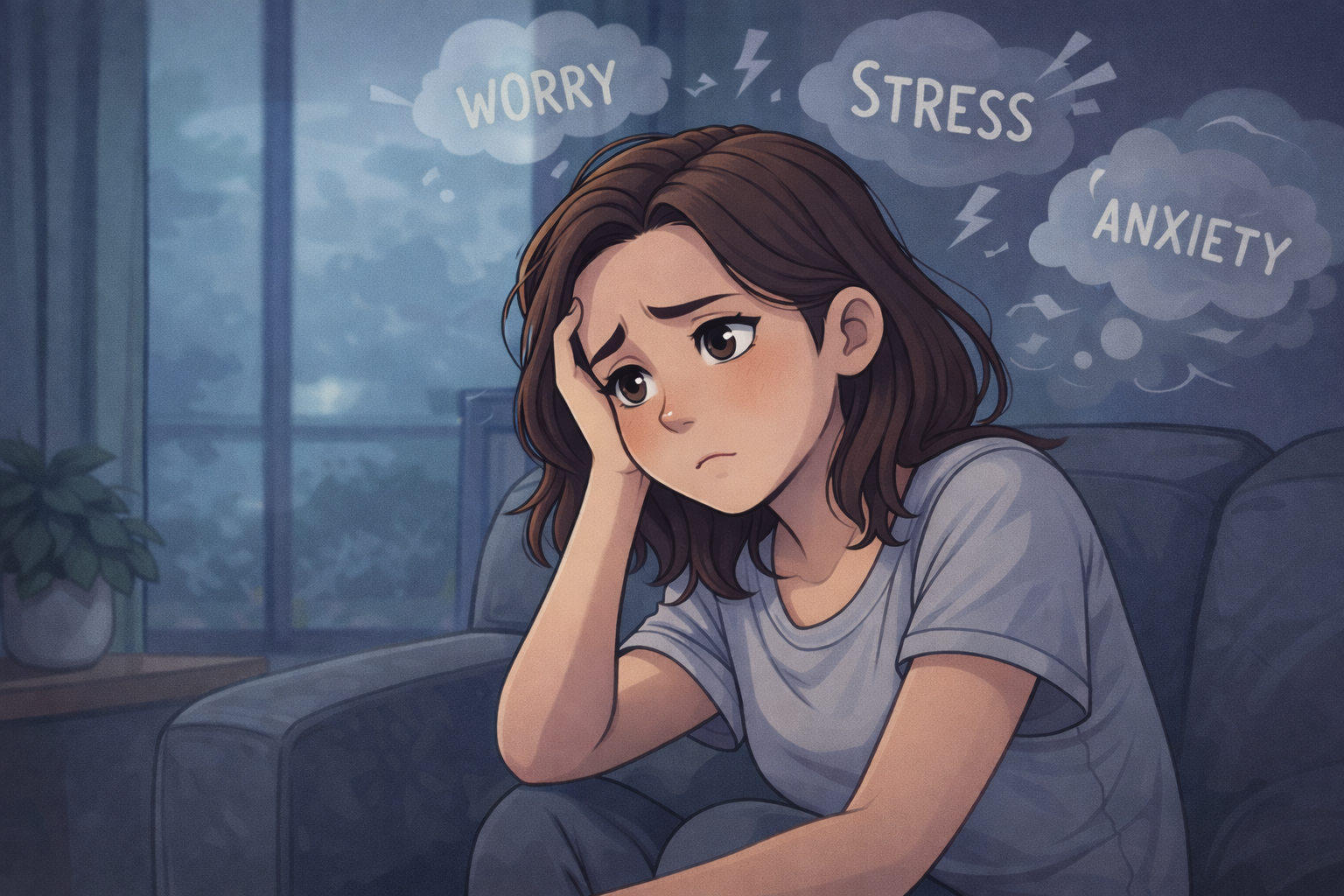
Stress is a normal part of life. Deadlines, responsibilities, financial concerns, and unexpected life events can all create pressure. In small amounts, stress can even be helpful—it motivates us to solve problems and stay focused.
However, when worry becomes constant, overwhelming, or begins interfering with daily life, it may be more than typical stress. It may be anxiety.
Many people live with anxiety without realizing that what they are experiencing is treatable. If you’ve been wondering whether your stress has crossed the line into something more serious, these signs may help you recognize when it may be time to seek support.
If you are struggling with anxiety in the Rio Grande Valley, Dymphna Counseling Center offers anxiety counseling for individuals who want practical tools to regain control of their thoughts and emotions.
1. Constant Worry That Feels Impossible to Turn Off
Everyone worries occasionally, especially during stressful times. But anxiety often shows up as persistent worry that feels difficult to control.
You may notice:
Thinking about worst-case scenarios
Worrying about multiple problems at once
Feeling like your mind is always “running”
Many people describe anxiety as feeling like their brain won’t switch off, even when there is nothing immediately wrong.
2. Physical Symptoms Without a Clear Medical Cause
Anxiety doesn’t only affect your thoughts—it can also affect your body.
Common physical symptoms include:
Muscle tension
Frequent headaches
Stomach discomfort
Rapid heartbeat
Restlessness
Many people initially visit doctors for these symptoms before realizing anxiety may be contributing to their physical discomfort.
3. Difficulty Sleeping
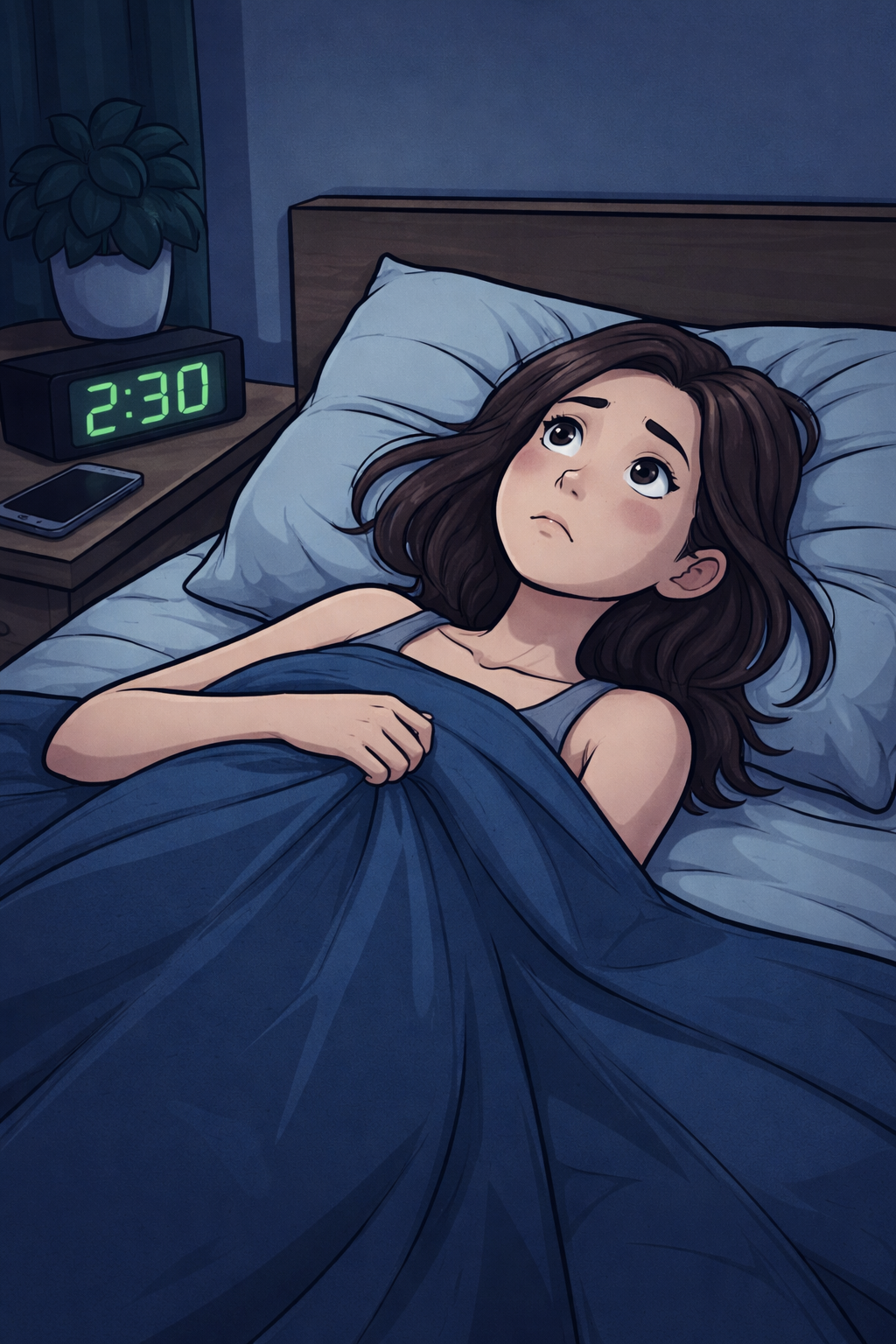
If you have had any signs of insomnia or difficulty sleeping.
Anxiety and sleep problems often go hand in hand.
You might experience:
Difficulty falling asleep
Waking up frequently during the night
Racing thoughts at bedtime
Feeling tired even after sleeping
Sleep deprivation can make anxiety worse, creating a frustrating cycle that becomes difficult to break without support.
4. Difficulty Concentrating
An anxious mind is often focused on potential problems. Because of this, it may become difficult to stay present with daily tasks.
You might find yourself:
Forgetting things more easily
Struggling to focus at work or school
Taking longer to finish tasks
Feeling mentally scattered
When your mind is constantly scanning for threats, concentration naturally suffers.
5. Avoiding Situations That Make You Nervous
Avoidance is one of the most common patterns seen in anxiety.
You may begin avoiding:
Social gatherings
Work meetings
Phone calls
Public places

While avoidance may reduce anxiety temporarily, it often makes anxiety stronger over time.
6. Feeling Constantly On Edge
People living with anxiety often describe feeling like their body is always on high alert.
You may experience:
Irritability
Restlessness
Difficulty relaxing
Feeling tense throughout the day
Your nervous system may feel like it is constantly preparing for something to go wrong.
7. Overthinking Every Decision
Anxiety can turn even small decisions into stressful mental debates.
You might find yourself:
Replaying conversations in your head
Second-guessing decisions
Worrying excessively about mistakes
Seeking reassurance from others
Overthinking often creates more stress instead of clarity.
8. Panic Attacks or Sudden Waves of Fear
Some people with anxiety experience panic attacks, which are sudden episodes of intense fear.
Symptoms may include:
Racing heart
Shortness of breath
Chest tightness
Dizziness
Feeling out of control
Although panic attacks can feel frightening, they are treatable with therapy and coping strategies.

9. Anxiety Is Affecting Your Work or Relationships
When anxiety becomes severe, it can start interfering with everyday life.
You may notice:
Difficulty completing responsibilities
Strain in relationships
Avoiding important situations
Feeling overwhelmed by daily tasks
When anxiety begins affecting important areas of life, professional support can make a significant difference.
10. You Feel Emotionally and Mentally Exhausted
Living with constant anxiety is draining.
Even when you're not physically active, your brain may be working overtime—analyzing risks, preparing for problems, and worrying about the future.
Over time, this can lead to:
Mental fatigue
Emotional exhaustion
Burnout
When to Seek Counseling for Anxiety
If several of these signs feel familiar, you may benefit from speaking with a counselor.
Therapy can help you:
Understand the root of your anxiety
Learn strategies to calm your nervous system
Develop healthier thought patterns
Build confidence in handling stress
If you are looking for anxiety counseling near McAllen, Texas, the team at Dymphna Counseling Center provides compassionate support for individuals struggling with stress, worry, and anxiety.
You don’t have to face anxiety alone.
Dymphna Counseling Center provides professional counseling services in McAllen, Texas and the surrounding Rio Grande Valley communities, including Edinburg, Mission, Pharr, and San Juan. Our therapists specialize in anxiety counseling, stress management, and emotional wellness for individuals seeking support.
